
KGM Heritage: 70 Years, One Story
Look at the badge on a new Musso, and you're looking at seventy years of history, even if the name on the bonnet is only a few years old. Here's how it actually runs, decade by decade.
1954–1986: From Workshop To SsangYong

Ha Dong-Hwan Motor Workshop opened in Korea in 1954, building trucks, buses and special purpose vehicles, plenty of them for export. The company co-founded Shinjin Jeep in 1974, turning out hard and soft-top jeeps, then became Dong-A Motor Co Ltd in 1977. In 1984, the business took over Geohwa Co and inherited the Korando name along with it, a contraction of "Korea Can Do." The SsangYong Group acquired the company in 1986, and from that point every vehicle wore the SsangYong badge.
1991–2001: The Mercedes-Benz Years
SsangYong struck a technical partnership with Mercedes-Benz in 1991, gaining access to engines and engineering that few Korean manufacturers had the chance to work with at the time.
The payoff arrived in 1994, when SsangYong entered the UK market with the original Musso, the first SsangYong model built on that Mercedes technology. Korando 2 followed in 1996, then Daewoo took a majority stake in 1997, and for a few years Korando was sold under the Daewoo name instead.
Rexton arrived in 2001, still leaning on Mercedes-Benz engineering, and it's the car that properly earned SsangYong its reputation for building off-roaders that actually worked off-road.

2004–2019: Building Out The Range

SAIC took a stake in 2004, the same year Rodius turned up as SsangYong's first seven-seat MPV. Bassadone Automotive Group started representing the brand in the UK from 2011, the same year Mahindra acquired SsangYong and the third-generation Korando launched with a new 2.0-litre diesel. Korando Sports, Turismo and Rexton W followed through 2012 to 2014, then Tivoli arrived in 2015, a compact crossover engineered alongside Mahindra and badged from day one as a mini-SUV.
The all-new fourth-generation Rexton landed in 2017 with 3.5-tonne towing and seven seats, and the current-generation Musso pickup followed in 2018 on that same platform, rated to carry a tonne while towing 3.5 tonnes at the same time.
New Korando arrived in 2019, closing out a decade and a half that turned a niche off-road brand into something closer to a full range.
2020–2022: Electrification Begins
Musso Rhino, the long-wheelbase Musso with the biggest load deck in the range, launched in 2020, alongside a refreshed Tivoli. 2021 brought updated Rexton and Musso facelifts, both sharper-looking than what came before.
Then in 2022, SsangYong introduced Korando e-Motion, its first battery-electric vehicle for the UK.
That same year, KG Group took a majority stake in the business, and the corporate name changed from SsangYong Motor Company to KG Mobility. Seventy years, one name, and this time it was ours.

2023–2025: The Move To KGM

SsangYong Motors UK carried the SsangYong name through one more UK line-up refresh in 2023, with new Musso, Rexton and Tivoli ranges, before we rebranded to KGM Motors UK in 2024 under our new global line "Go Different. KGM."
That same year, we launched the all-new Torres SUV and Torres EVX, our first fully electric SUV and a proper marker of where the next seventy years are headed. We followed with Actyon in January 2025, the first model built entirely under KGM ownership, then launched Torres Hybrid that October.
What Heritage Gets You Today
None of this matters much if it doesn't show up in what you can actually buy. So here's where it does. Musso carries the same proposition SsangYong pickups always have: serious capability at a price that undercuts the mainstream alternatives. Rexton Commercial keeps the ladder-frame, seven-seat formula going, because some ideas don't need reinventing.
Tivoli brings that same strong specification to a compact SUV, Musso EV extends it into full electric, and Torres EVX shows where we're taking the next seventy years. Torres Hybrid and Actyon Hybrid sit between the two, giving buyers the efficiency gains of electrification without leaving petrol behind entirely.
Every one of them carries the Korean styling that's run through the range since the beginning, a distinctive design that's as much a part of the heritage as the engineering underneath. It's a long way from a Korean workshop building trucks and buses in 1954. It's also, in the ways that count, exactly the same job.
The best way to understand seventy years of engineering is to drive it. Book a test drive.
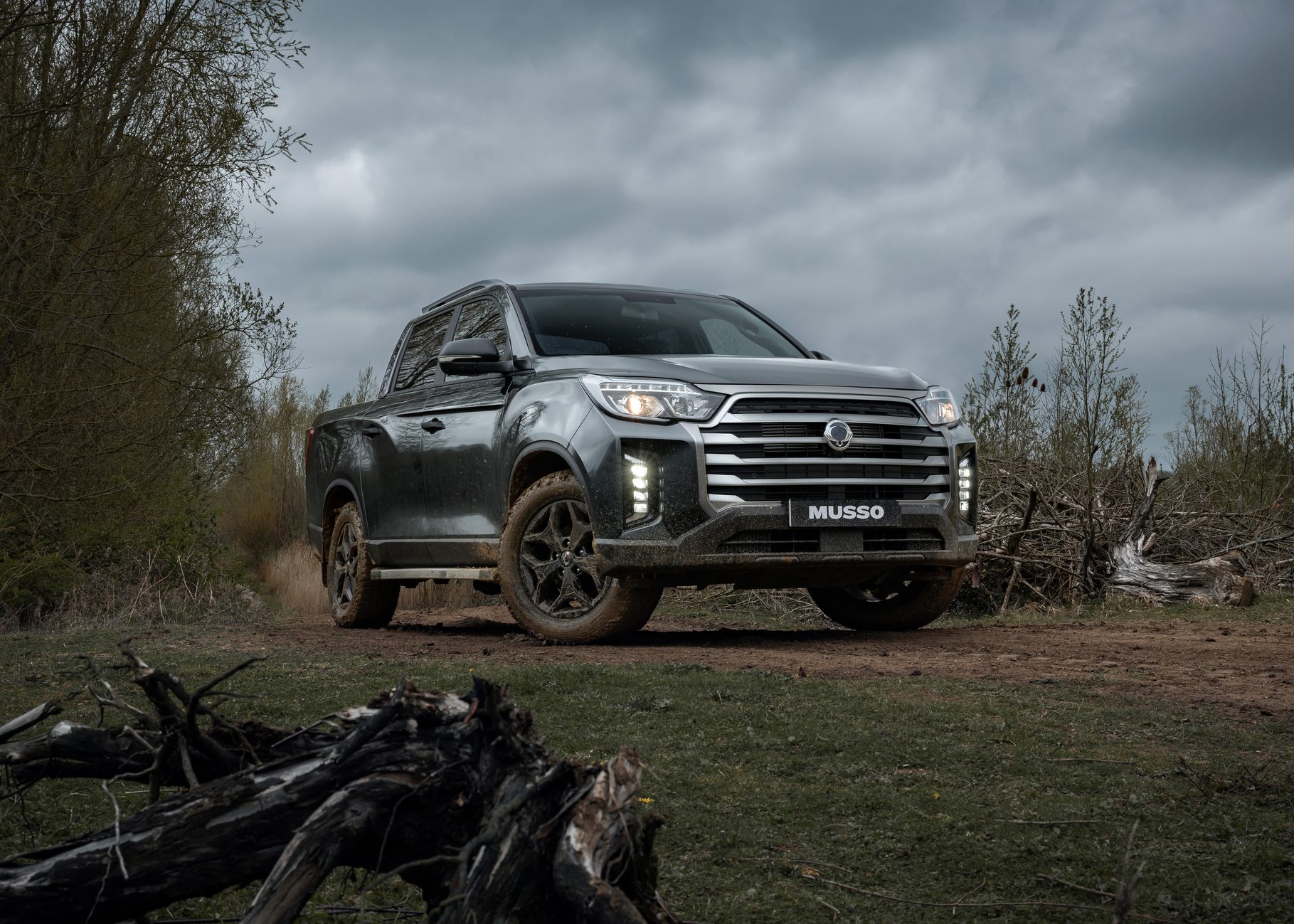

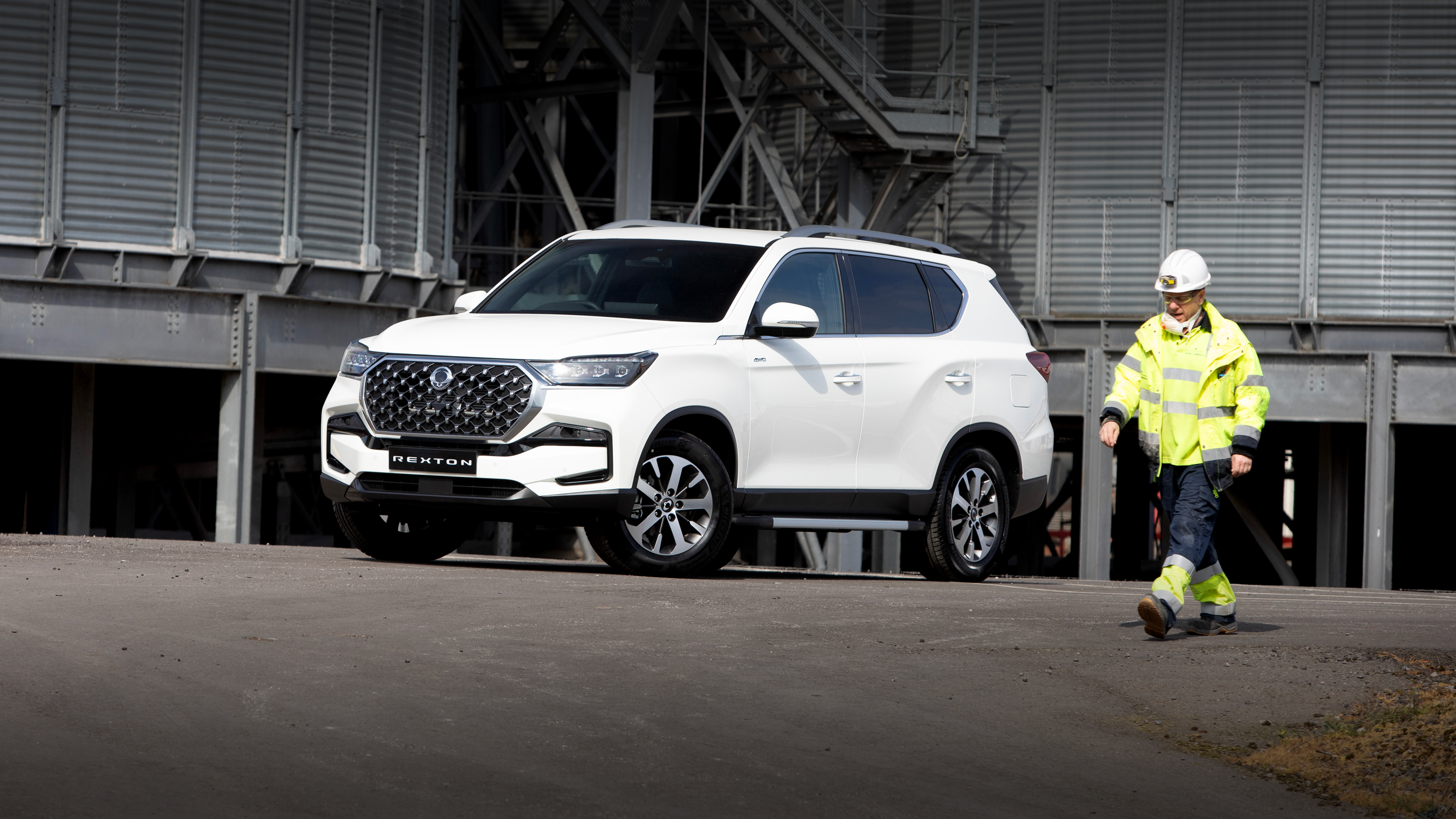
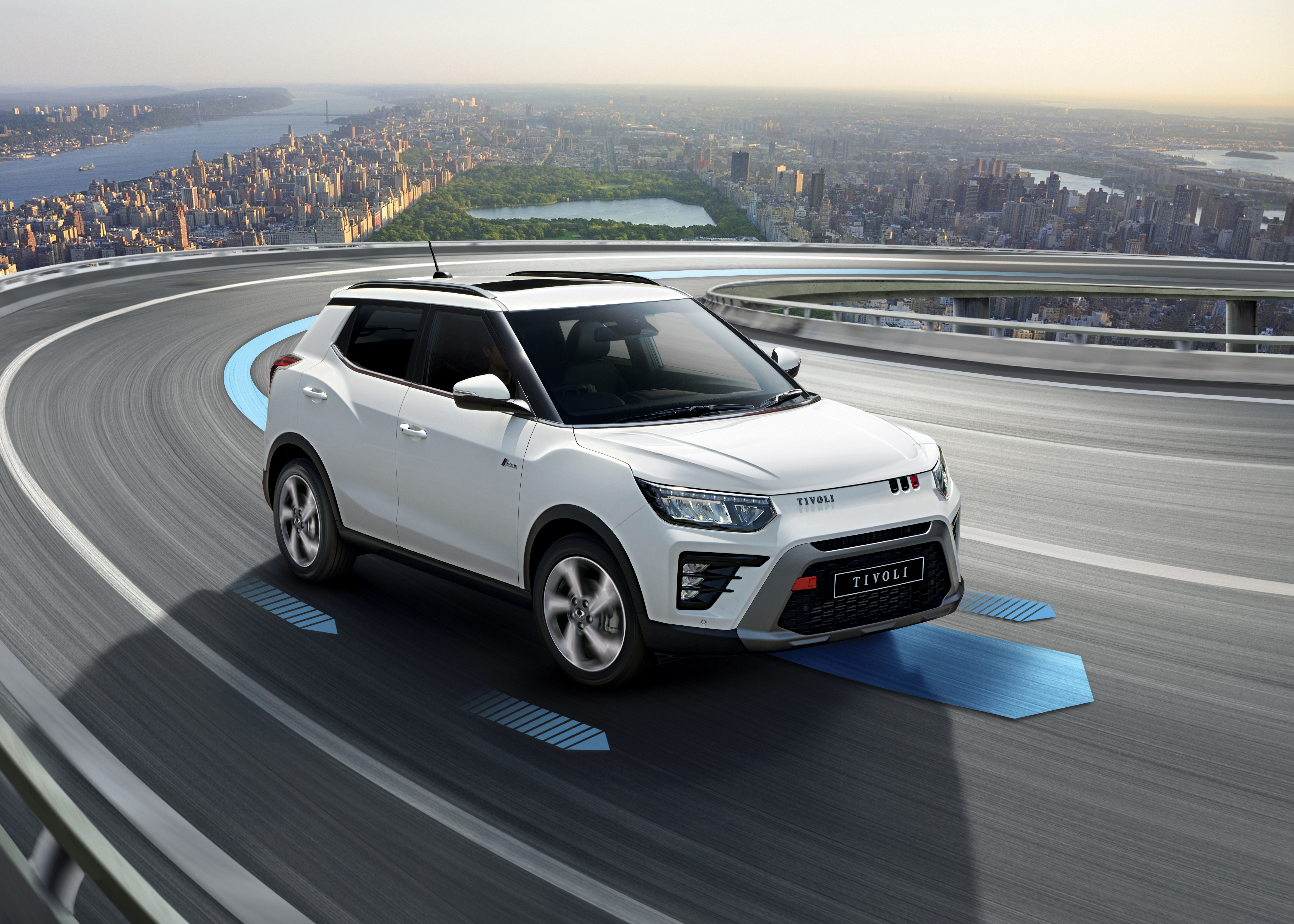
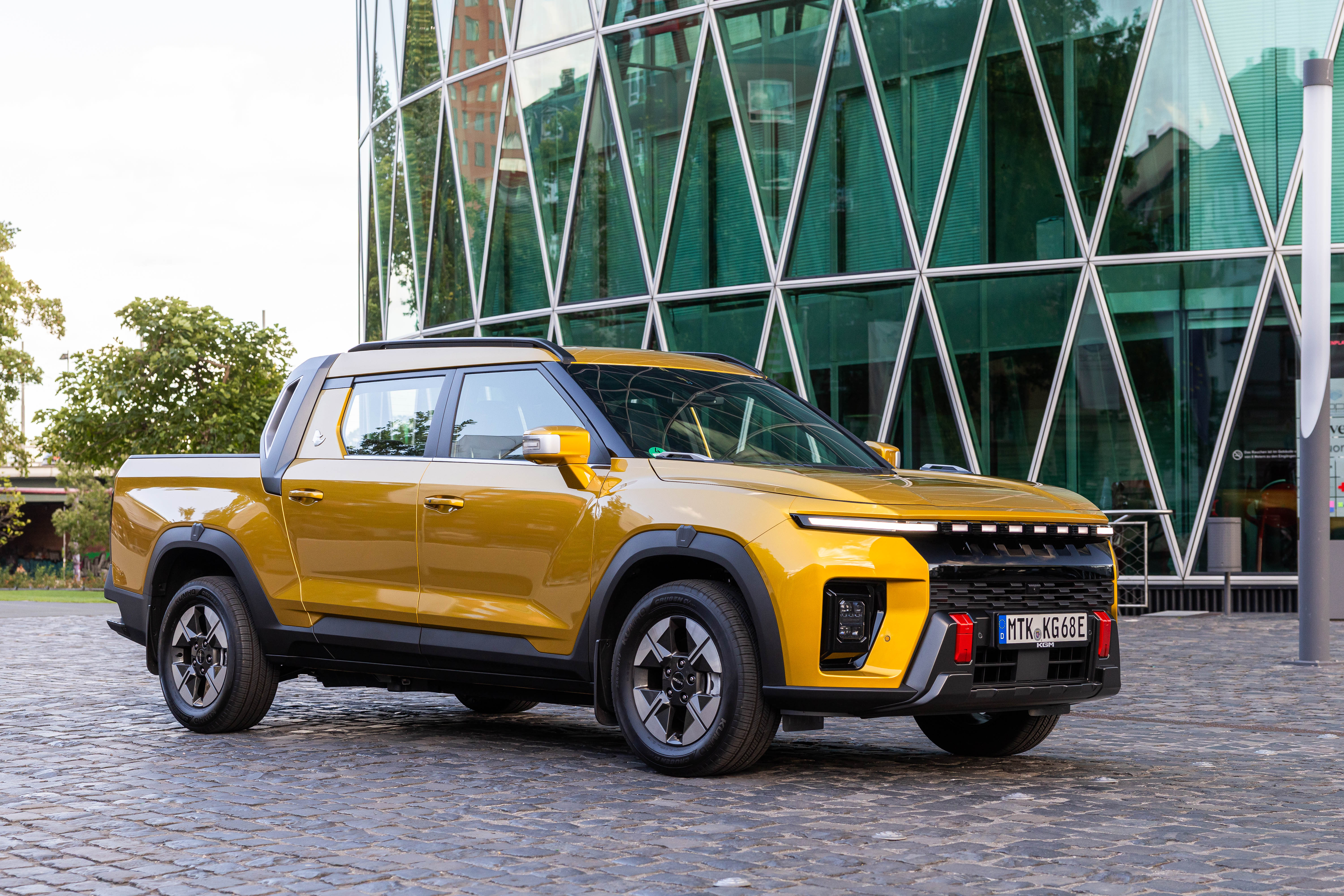
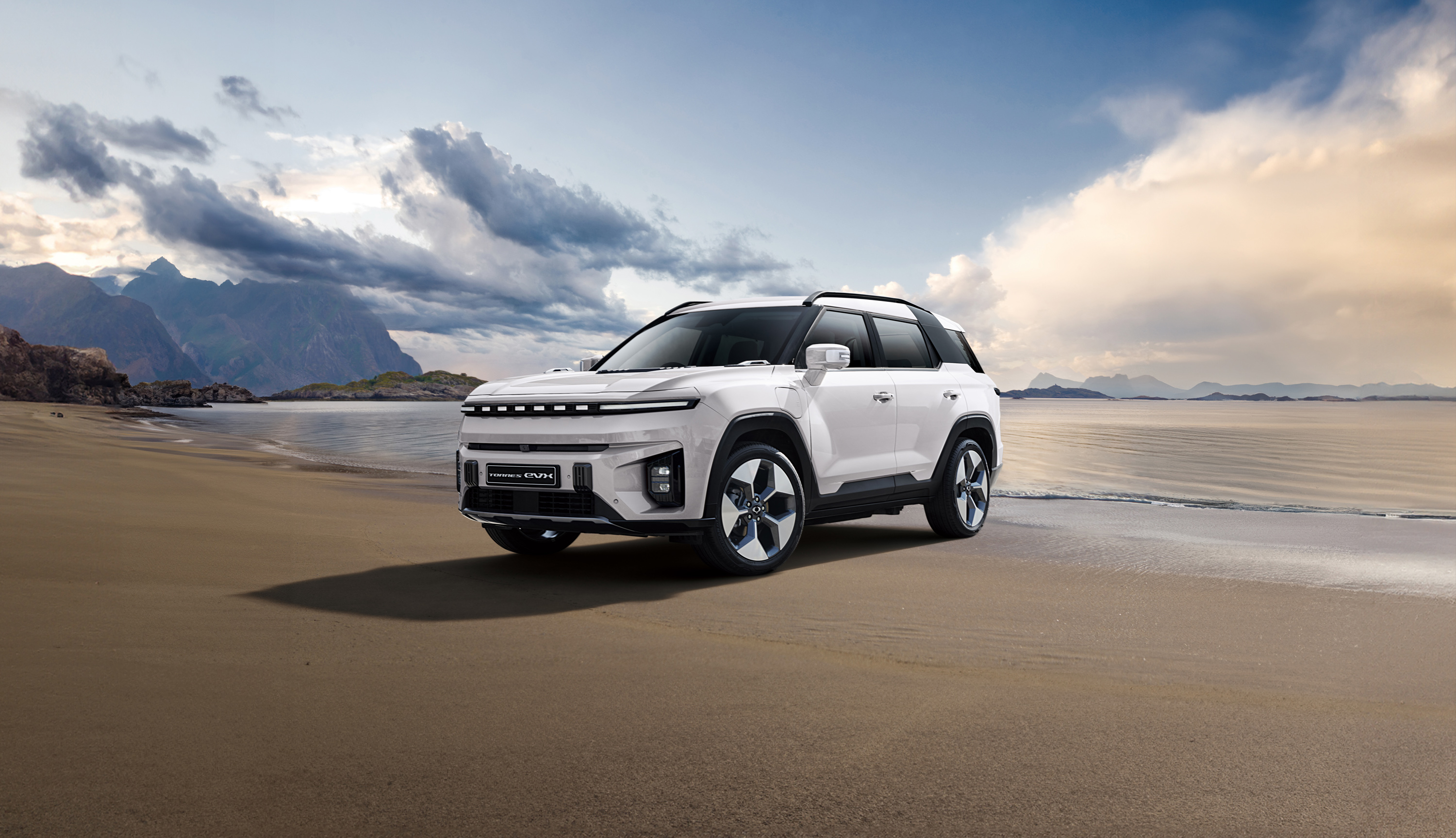


Image /