
Birmingham’s Clean Air Zone (CAZ): The Complete 2026 Guide
Birmingham's Clean Air Zone (CAZ) was introduced under the government's Joint Air Quality Unit framework to charge older, higher-polluting vehicles for driving through the city centre, cutting air pollution and improving air quality in one of the UK's most congested urban centres.
It works differently from London's Ultra Low Emission Zone (ULEZ) and Scotland's low emission zones (LEZs). Birmingham and London both charge non-compliant vehicles a daily fee rather than banning them, but Scotland's LEZs have no charge: non-compliant vehicles aren't allowed in, and driving into one triggers a penalty charge. If you're planning a trip into Birmingham, or you live or work near the boundary, it's worth knowing exactly where the zone runs, what it costs, and which vehicles are exempt before you set off. This guide covers the boundary, the daily charge, the exemptions that apply, and how to check your own vehicle. It also covers where fully electric and hybrid models fit, since a compliant vehicle doesn't pay the charge under the current rules.
Last verified: October 2026.
Where is Birmingham's Clean Air Zone?
The CAZ covers the roads inside the A4540 Middleway Ring Road. The Middleway itself isn't part of the charging zone, so you can use it to skirt the city centre and reach areas like the Jewellery Quarter or Digbeth without triggering a charge, provided you don't turn off it into the inner streets. Once you cross the boundary inward, an automatic number plate recognition (ANPR) camera captures your registration, and the daily charge applies if your vehicle isn't compliant.
Birmingham Airport and the NEC sit outside the zone. If you're unsure whether a specific street falls inside or outside the boundary, Birmingham City Council's Brum Breathes website has an interactive map, and the GOV.UK vehicle checker will confirm compliance for your own registration either way. Driving a non-compliant vehicle isn't the only option, either: public transport into the centre, or parking just outside the boundary and walking the last stretch, both sidestep the charge completely.
When does the charge apply, and how much is it?
The zone runs 24 hours a day, 365 days a year, including bank holidays. There's no time-of-day exemption and no weekend relief. One daily charge covers unlimited entries and exits within that calendar day, and the window for paying it is generous: six days before your visit, on the day, or up to six days after. You pay online through GOV.UK's Clean Air Zone payment service, not Birmingham City Council directly, and paying in advance of your trip is an option here. That's another difference from Scotland's low emission zones, where there's no charge to pay at all: non-compliant vehicles aren't permitted, so driving into one brings a penalty.
Miss that window and you'll get a penalty charge notice (PCN) of £120, reduced to £60 if you pay within 14 days. The original daily charge is still owed on top. Appeals go through Birmingham City Council if you think a PCN was issued unfairly.
Birmingham CAZ charges and compliance standards at a glance
|
Vehicle type |
Daily charge (non-compliant) |
Compliant emission standards |
|
Cars, taxis (hackney carriage and private hire), vans, minibuses |
£8 |
Euro 4 (petrol), Euro 6 (diesel) |
|
Buses, coaches, heavy goods vehicles (HGVs) |
£50 |
Euro 4 (petrol), Euro 6 (diesel) |
|
Motorcycles, motorbikes |
Not charged |
n/a |
|
Fully electric vehicles |
Not charged |
Automatically compliant |
Petrol cars built after roughly 2006 and diesel cars after roughly 2015 generally meet the required emission standards, though the safest way to confirm before you're charged the daily fee is the vehicle checker rather than the registration year alone.
Who's exempt from the Birmingham CAZ charge?
A handful of vehicle categories are currently exempt regardless of emission standard: emergency vehicles, vehicles registered in the disabled tax class, recovery vehicles, community transport, showman's vehicles, military vehicles, and school buses.
Beyond that, residents and workers based inside the zone could apply for a temporary exemption permit, typically running one to two years from the CAZ's 2021 launch. Most of those grace periods have now run their course, so don't assume an older exemption still applies without checking directly with the council.
Visitors travelling to Birmingham Children's Hospital or one of two GP practices inside the zone can still apply for a voucher covering the charge. And if your vehicle is fully electric, it’s compliant by default: zero exhaust pipe emissions mean it clears the standard automatically, no application needed.
Which KGM models are Birmingham CAZ compliant?
Any fully electric KGM clears the Birmingham CAZ standard without qualification, because there are no exhaust pipe emissions to measure: that covers the Musso EV and Torres EVX. The Torres Hybrid and Actyon Hybrid are petrol hybrids rather than full EVs, so their compliance rests on meeting the Euro 4 petrol standard rather than being automatically compliant. The diesel Rexton clears Euro 6, and the petrol Tivoli clears Euro 4, the same way, simply by being current-production vehicles. The van-plated Rexton Commercial and pickup-focused Musso and Musso Rhino share the same Euro 6 diesel engines as their standard siblings, so they clear the bar too.
Whichever of the nine you're looking at, it's worth checking your specific registration against the GOV.UK vehicle checker once it's registered. Compliance depends on the exact build and registration date, not just the model name.


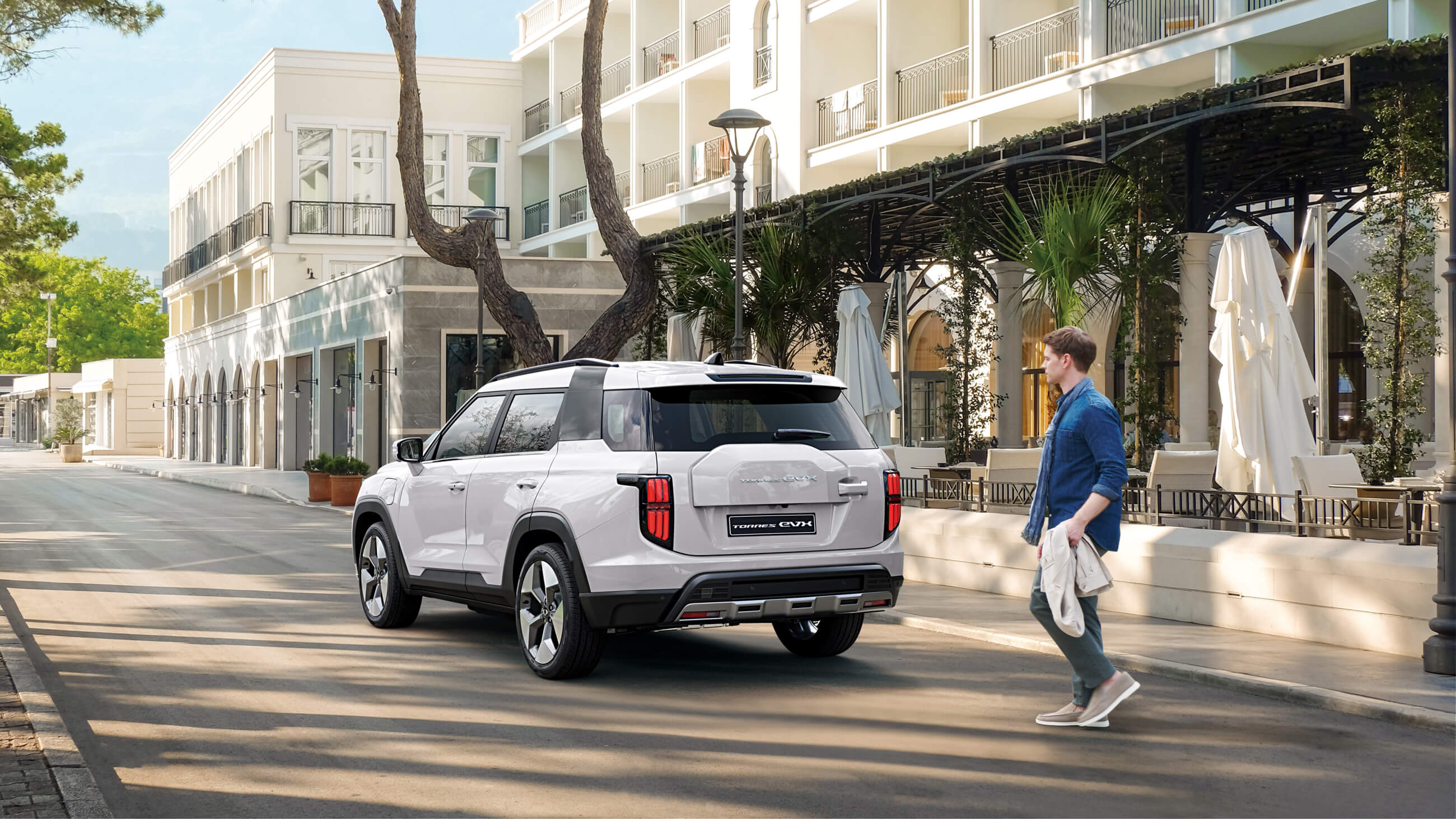

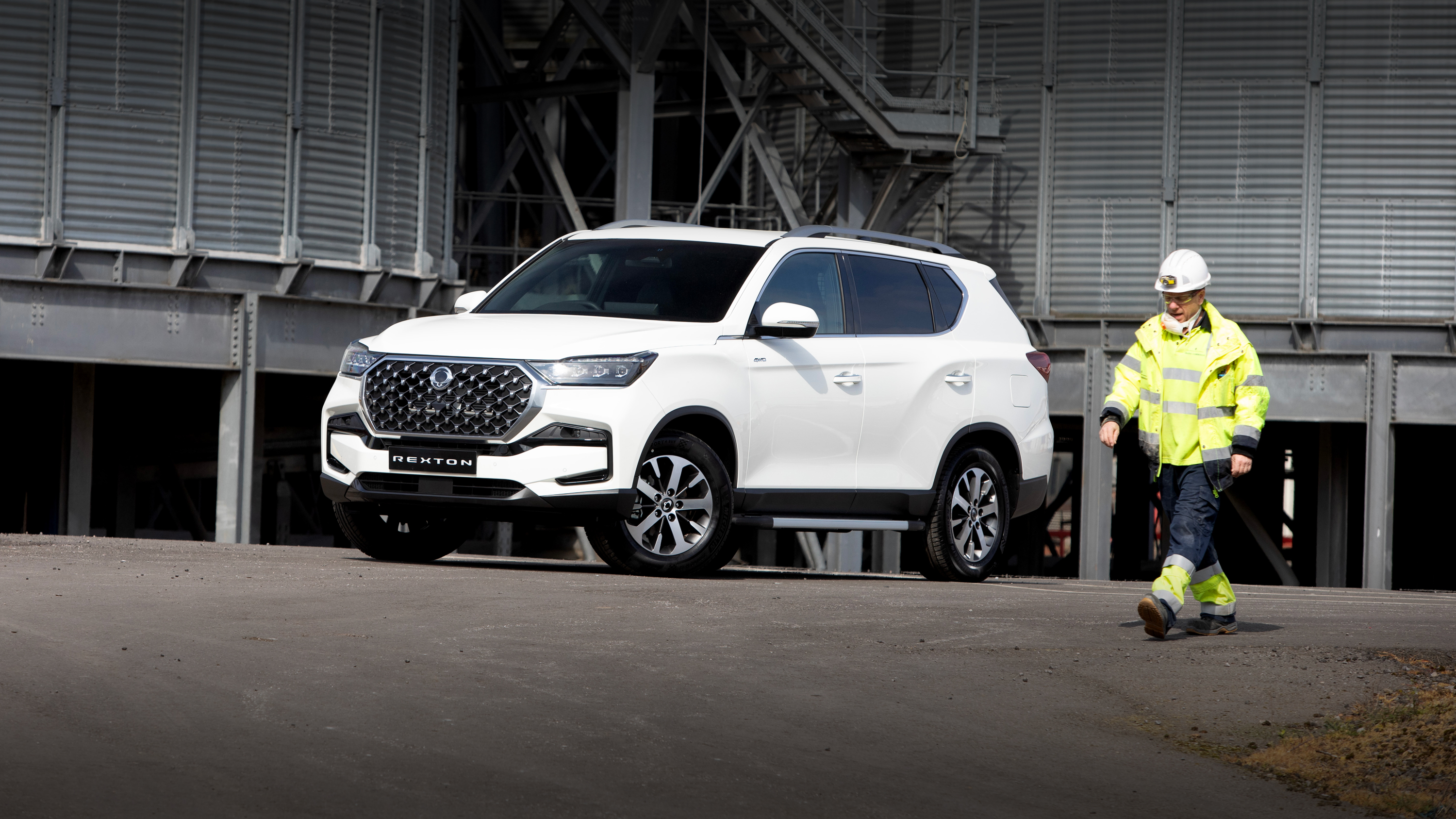
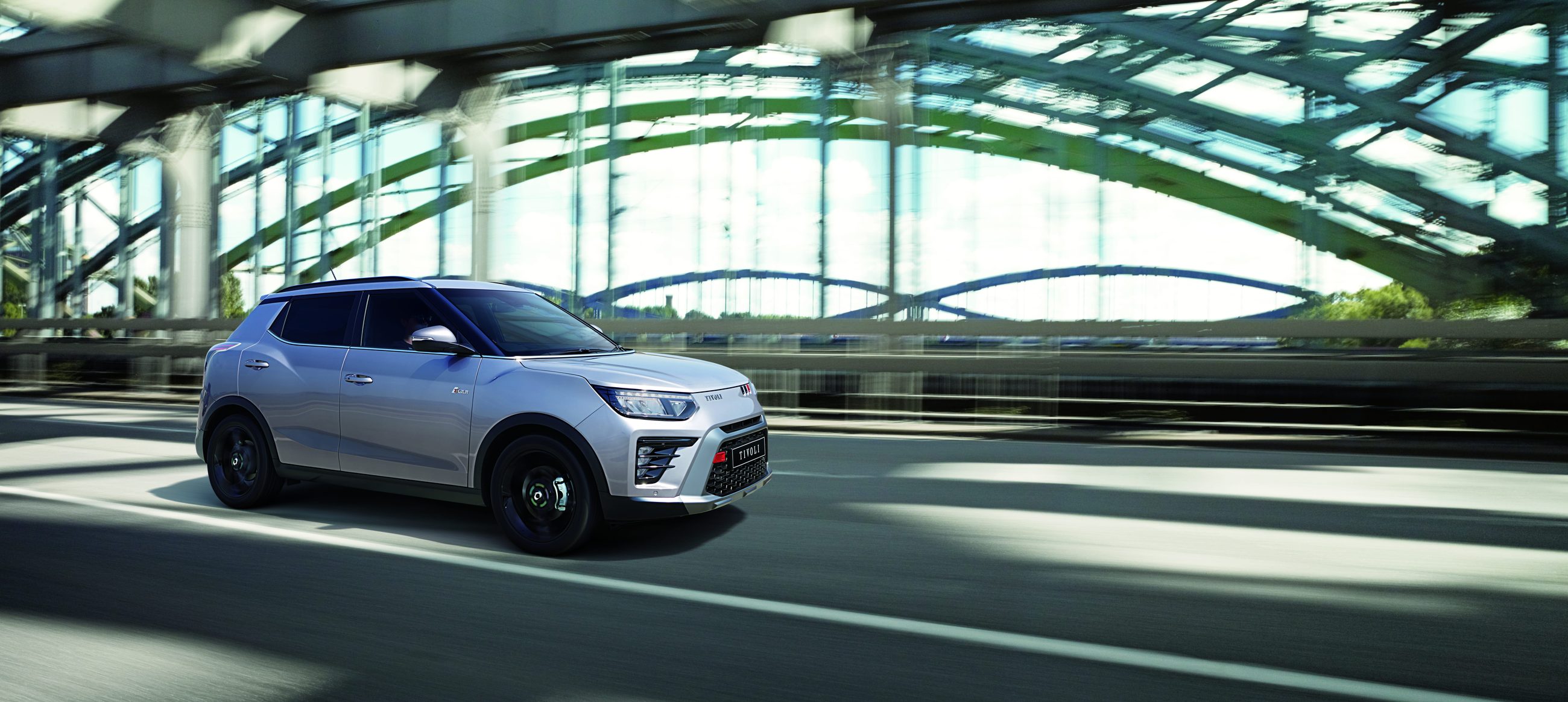


Image /
Frequently Asked Questions (FAQs)
Ready to make the switch to a Birmingham CAZ-compliant KGM?
Book a test drive and see the Musso EV, Torres EVX, Torres Hybrid, Actyon Hybrid, Rexton, Musso, Tivoli, Rexton Commercial, or Musso Rhino in person.