
ULEZ, CAZ & LEZ Driving Guide UK


ULEZ & Clean Air Zones: A Complete UK Guide
Ultra Low Emission Zone, Clean Air Zone, Low Emission Zone and Zero Emission Zone. Four different names, and they don't all work the same way, but they come down to one shared question: does your car cost you extra to drive into a city centre?
London's ULEZ gets the headlines, but it isn't alone. Birmingham, Bristol, Newcastle and Sheffield run their own Clean Air Zones, each with its own boundary, charge and exemptions. Aberdeen and Edinburgh run Low Emission Zones under separate Scottish rules, enforced by penalty notice rather than a daily prepay charge. Oxford runs a Zero Emission Zone where only zero-emission vehicles drive in for free, and everything else pays a daily charge banded by CO2 emissions and Euro standard. Get the wrong side of the rules in any of them, and you'll face a charge or a penalty notice.
This guide sets out what these schemes actually check, where the rules genuinely differ from one city to the next, and where KGM's current range sits against the standards that apply. Jump to your city below for the specifics that apply where you actually drive.
What actually counts as ULEZ, CAZ, or LEZ?
The Ultra Low Emission Zone is a daily charge in London for vehicles that don't meet set emission standards. It runs 24 hours a day, every day of the year except Christmas Day, when no charge applies, across the whole of Greater London, all 32 boroughs, with the boundary sitting just inside the M25. That's been the case since August 2023; the smaller, earlier versions of the zone no longer exist. These schemes exist because vehicle emissions are one of the biggest single contributors to air pollution in dense city centres, and improving air quality was the entire point of London's Ultra Low Emission Zone when it launched.
Classification runs on Euro emissions standards, not age alone, though age is usually a rough guide. Petrol cars generally need to meet Euro 4. Diesel cars need Euro 6 standards, a considerably tougher bar that pushes the cut-off registration date much later for diesel than for petrol. Transport for London checks a vehicle's registration against these standards automatically, and TfL's own ULEZ checker is the definitive source if you're not sure where your car lands.
Clean Air Zones work on a similar principle outside London, though each city sets its own boundary and its own charge. A handful, including Newcastle's and Sheffield's Class C zones, only target vans, taxis, HGVs and other commercial vehicles, leaving private cars and motorcycles untouched regardless of age or emissions. Low Emission Zone is the term Scotland uses for its equivalent scheme: Aberdeen and Edinburgh both run one, enforced by penalty charge notice rather than a daily prepay charge, so there's nothing to pay upfront, only a fine if you're caught non-compliant. Oxford's Zero Emission Zone works differently again: only zero-emission vehicles avoid the charge, so even a brand new Euro 6 diesel still pays. Euro standards still count there, though, as they help decide which of three paid bands (£2, £4 or £10 a day) a vehicle falls into. Historic and classic car exemptions exist in most zones, tied to specific age thresholds, so it's worth checking your own vehicle rather than assuming.
Vehicle type matters as much as age. Hybrid cars and plug-in hybrids usually pass on the strength of their petrol engine meeting Euro 4, not because of the electric motor riding alongside it, and that only avoids a charge in zones that use Euro standards as the pass mark. In Oxford, it helps decide a hybrid's charge band instead. Electric vehicles skip the question altogether, Oxford's ZEZ included: under the current rules, zero exhaust pipe emissions means they're compliant everywhere, with no registration check needed. Non-compliant vehicles pay regardless of how well-maintained they are, and that includes plenty of well-kept older cars that simply predate the standard.
Get caught inside a zone in a non-compliant vehicle, and the penalty isn't a warning. In zones with a daily charge, it's a penalty charge notice, and in English Clean Air Zones you'll still owe the original charge on top. In Scotland's penalty-only zones, the PCN is the only cost, limited to one per zone, per day, but it escalates with each fresh breach. Drive into any of these zones regularly in a non-compliant vehicle, and the costs add up fast.
ULEZ and CAZ emissions standards at a glance
Compliance comes down to Euro emissions standards, not just a registration year. This table gives the general picture; TfL and council checkers confirm your specific vehicle.
|
Fuel type |
Standard required |
Typical registration |
Compliant? |
|
Petrol |
Euro 4 |
From around 2006 |
Yes |
|
Petrol, pre-Euro 4 |
Euro 3 or older |
Before around 2006 |
No, charge or penatly applies |
|
Diesel |
Euro 6 standards |
From September 2015 |
Yes |
|
Diesel, pre-Euro 6 |
Euro 5 or older |
Before September 2015 |
No, charge or penalty applies |
|
Electric vehicles |
Zero tailpipe emissions |
Any |
Yes, automatically |
Registration dates are a guide, not a guarantee. Check your specific vehicle before assuming either way. This table applies to ULEZ, English Clean Air Zones and Scottish Low Emission Zones. Oxford's Zero Emission Zone works differently: only zero-emission vehicles qualify for £0, while CO2 emissions and Euro standards decide which paid band everything else falls into, so check the Oxford guide separately if that's where you're driving.
Where KGM's range stands on ULEZ and CAZ compliance
Two different routes to compliance sit across the current KGM range: automatic compliance because there's no exhaust pipe to measure, or compliance because the engine meets the Euro standard that applies. One exception: only the first route avoids Oxford's ZEZ charge, so check the Oxford guide if that's where you're driving.
The Musso EV and Torres EVX are both fully electric, so under the current rules they're compliant in every ULEZ, Clean Air Zone, Low Emission Zone and Oxford's ZEZ, regardless of registration date. The Torres Hybrid and Actyon Hybrid meet Euro 4 as current-range petrol hybrids, the Musso and Rexton meet Euro 6 as current-production diesels, and the Tivoli meets Euro 4 on petrol. All five meet ULEZ, CAZ and LEZ standards on spec, though all still pay under Oxford's ZEZ, since none is zero-emission. Their Euro standard decides the band there, typically the £4 low-emission vehicle rate rather than the £10 top rate.
The Rexton Commercial and Musso Rhino share their donor models' Euro 6 diesel engines, clearing the same standard in most schemes. The exception is Class C zones that exempt private cars, such as Newcastle's and Sheffield's: both, like the standard Musso pickup, are registered as goods vehicles, so they don't get that automatic pass, but they meet the Euro 6 van standard and don't pay the charge under the current rules. Like the standard Musso and Rexton, both still pay under Oxford's ZEZ, since diesel isn't zero-emission.
The distinction matters if you're relying on Euro standard rather than automatic compliance: it's worth confirming your specific registration against the checker before assuming compliance for a daily commute.
Not sure where your car sits? TfL's ULEZ checker and your council's checker give a free, same-day answer from your number plate. Want the simplest route? Under the current rules, KGM's Musso EV and Torres EVX meet the standard in every one of these schemes. Book a test drive now: https://kgm-motors.co.uk/book-a-test-drive




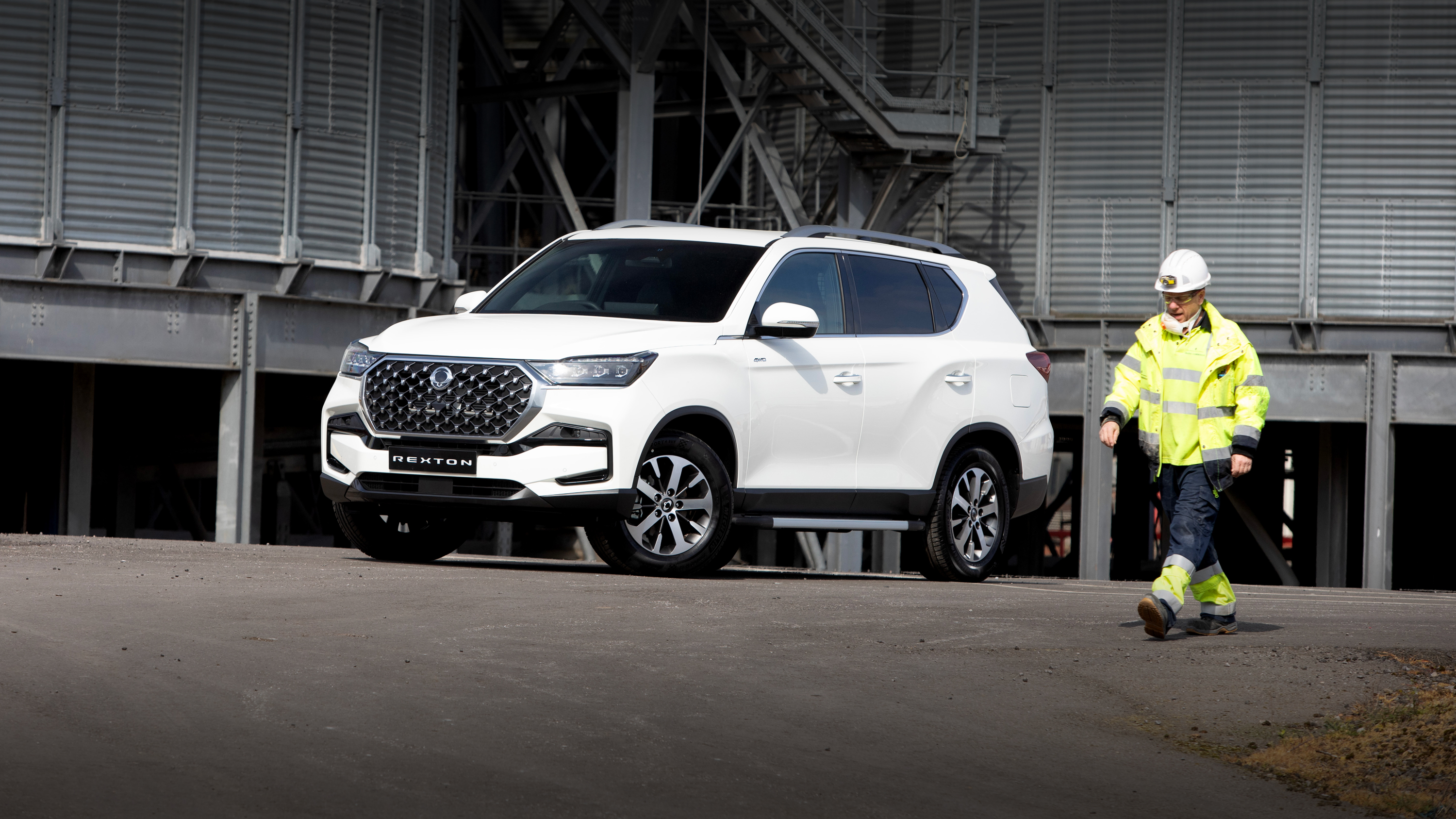
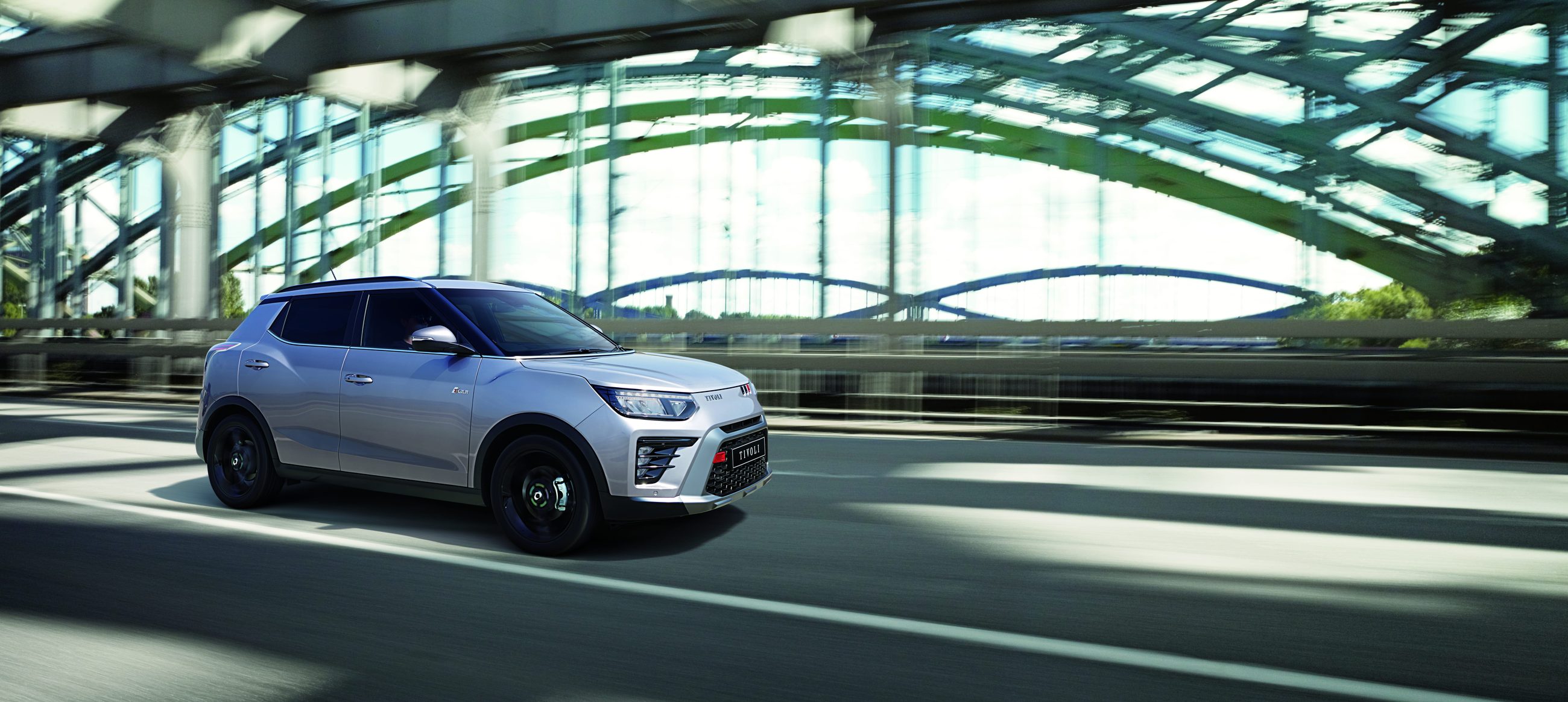


Image /
ULEZ and Clean Air Zone guides by city
Zone boundaries, charges and exemptions vary by city. These guides break down what applies where you actually drive:
- London ULEZ: boundaries, daily charge and exemptions in detail
- Birmingham Clean Air Zone: charge, boundary map and who's exempt
- Bristol Clean Air Zone: charge bands and daily rates
- Newcastle Clean Air Zone: boundary, charges and who's exempt from the joint Newcastle and Gateshead scheme
- Sheffield Clean Air Zone: boundary, charges and exemptions inside the A61 ring road
- Aberdeen Low Emission Zone: boundary, penalty charges and exemptions
- Edinburgh Low Emission Zone: boundary, penalty charges and exemptions
- Oxford Zero Emission Zone: boundary, charge bands and which vehicles qualify for £0
Check the guide for your city, or your commute route, before assuming one set of rules applies everywhere. Boundaries, charges, and even the enforcement mechanism differ from scheme to scheme.
KGM's Musso EV and Torres EVX meet the standard in every ULEZ, CAZ, LEZ and ZEZ covered in our guides, as of October 2026.
Torres Hybrid, Actyon Hybrid, Musso, Rexton, Tivoli, Rexton Commercial, and Musso Rhino meet Euro 4 or Euro 6 comfortably too, wherever that standard is what's being checked.