
Newcastle’s Clean Air Zone (CAZ): The Complete 2026 Guide
Drive a car or motorbike into central Newcastle and the clean air zone (CAZ) won't charge you a thing, whatever's under the bonnet. The scheme exists to improve air quality and cut air pollution from older, more polluting commercial vehicles: taxis, private hire vehicles, vans, minibuses, coaches, HGVs and buses. Private cars sit outside it entirely. So why does a guide like this belong on a car brand's site? Because the picture changes if a vehicle is licensed as a taxi or private hire vehicle, or registered as a van or pickup rather than a passenger car. Using your own car for business trips doesn't change anything, as it's the vehicle's type that counts, not what the journey is for. Rules also differ the moment you drive somewhere stricter, like London's Ultra Low Emission Zone (ULEZ), where non-compliant cars do pay. Here's what actually applies in Newcastle, who pays, and where KGM's electric and hybrid range makes a genuine practical difference.
Where is Newcastle's clean air zone?
The Newcastle and Gateshead clean air zone covers most of Newcastle city centre, plus the river crossings that link it to Gateshead: the Tyne Bridge, the Swing Bridge, the High Level Bridge and the Redheugh Bridge. Whichever of the Tyne, Swing, High Level or Redheugh bridges you cross, the same ANPR check applies. Newcastle Central Station and the university both sit inside the boundary. Newcastle City Council and Gateshead Council manage the scheme jointly. Signs mark the main approach roads (white background, green cloud icon), though not every side street is signposted, so anyone driving a commercial vehicle should check the exact boundary on the official map rather than judge it from a road sign. It's a Clean Air Zone rather than a Low Emission Zone (LEZ) like those used in Scotland, which work differently: Scotland's LEZs don't let non-compliant vehicles in at all, rather than charging them a daily fee. Private cars and motorcycles can drive anywhere in the zone without a charge, whatever the vehicle's age or emissions.
When does the Newcastle CAZ charge apply, and how much is it?
The zone operates 24 hours a day, 365 days a year, with the charging day running from midnight to midnight. Drive in at 11.30pm and out just after midnight, and that counts as two separate days, two separate charges. For vehicles that don't meet the required emissions standard, the daily charge (correct as of October 2026) is £12.50 for taxis, private hire vehicles, vans, minibuses and light goods vehicles, and £50 for heavy goods vehicles, buses and coaches that don't meet the Euro 6 heavy-duty standard. You can pay up to six days before or after travelling, or on the day itself. For non-compliant vehicles, missing that window means a PCN (penalty charge notice) follows automatically, with no reminder letter first: £120, reduced to £60 if settled within 14 days. Standards and charges can change, so check gov.uk before you travel.
Newcastle CAZ charges at a glance
|
Vehicle type |
Standard needed to avoid the charge |
Daily charge |
|
Private car or motorcycle |
Not applicable, exempt regardless |
£0 |
|
Taxi, private hire vehicle, minibus or light goods vehicle |
Euro 4 petrol engine or Euro 6 diesel engine |
£12.50 |
|
Heavy goods vehicle, bus or coach |
Euro 6 (heavy-duty standard) |
£50 |
Correct as of October 2026.
Vans and light goods vehicles (LGVs) sit in the same charge band as taxis and minibuses. Emissions standards and charges are set nationally but can be revised, so check your registration number on the gov.uk checker before travelling, especially for older or modified vehicles.
Are any vehicles exempt from the Newcastle CAZ charge?
Yes, in two categories. National exemptions apply to every UK clean air zone and cover things like vehicles on a disabled tax class, historic vehicles over 40 years old, military vehicles, and anything retrofitted under the Clean Vehicle Retrofit Accreditation Scheme (CVRAS). Local exemptions are set by Newcastle and Gateshead councils specifically, and include emergency service vehicles, community transport, and vehicles registered to businesses based within the zone (capped at two per company, and time-limited). Some need an application; others are automatic. If you think your vehicle might qualify, check the exemptions list on the Breathe Clean Air website rather than assume, since eligibility depends on your exact registration and use.
Where KGM's range actually helps
Under the current rules, none of KGM's passenger cars gets charged to enter the Newcastle CAZ, whatever's under the bonnet: that covers the fully electric Musso EV and Torres EVX, the hybrid Torres Hybrid and Actyon Hybrid, and the diesel Rexton and petrol Tivoli, all exempt as passenger cars regardless of registration date or engine, while the Musso EV's zero emission powertrain meets the standard however it's registered. The van-plated Rexton Commercial and pickup-focused Musso and Musso Rhino don't get that same blanket pass, since they're registered as goods vehicles rather than private cars, but all three run Euro 6 diesel engines, so they meet the £12.50 band's standard and don't pay the charge under the current rules. Where the range actually matters is running costs, benefit-in-kind savings for business use, and compliance in zones that do charge cars, like London's ULEZ.


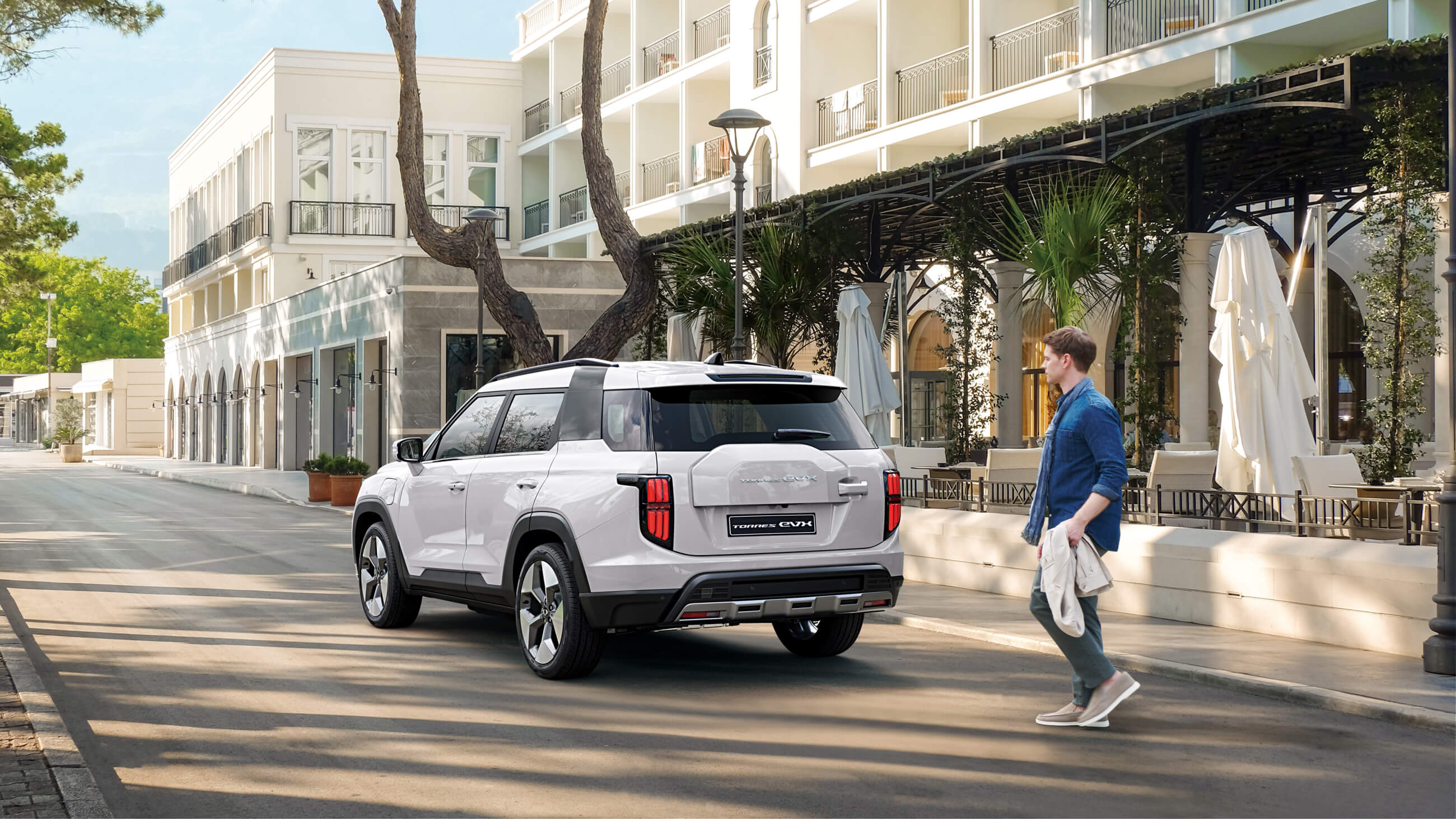

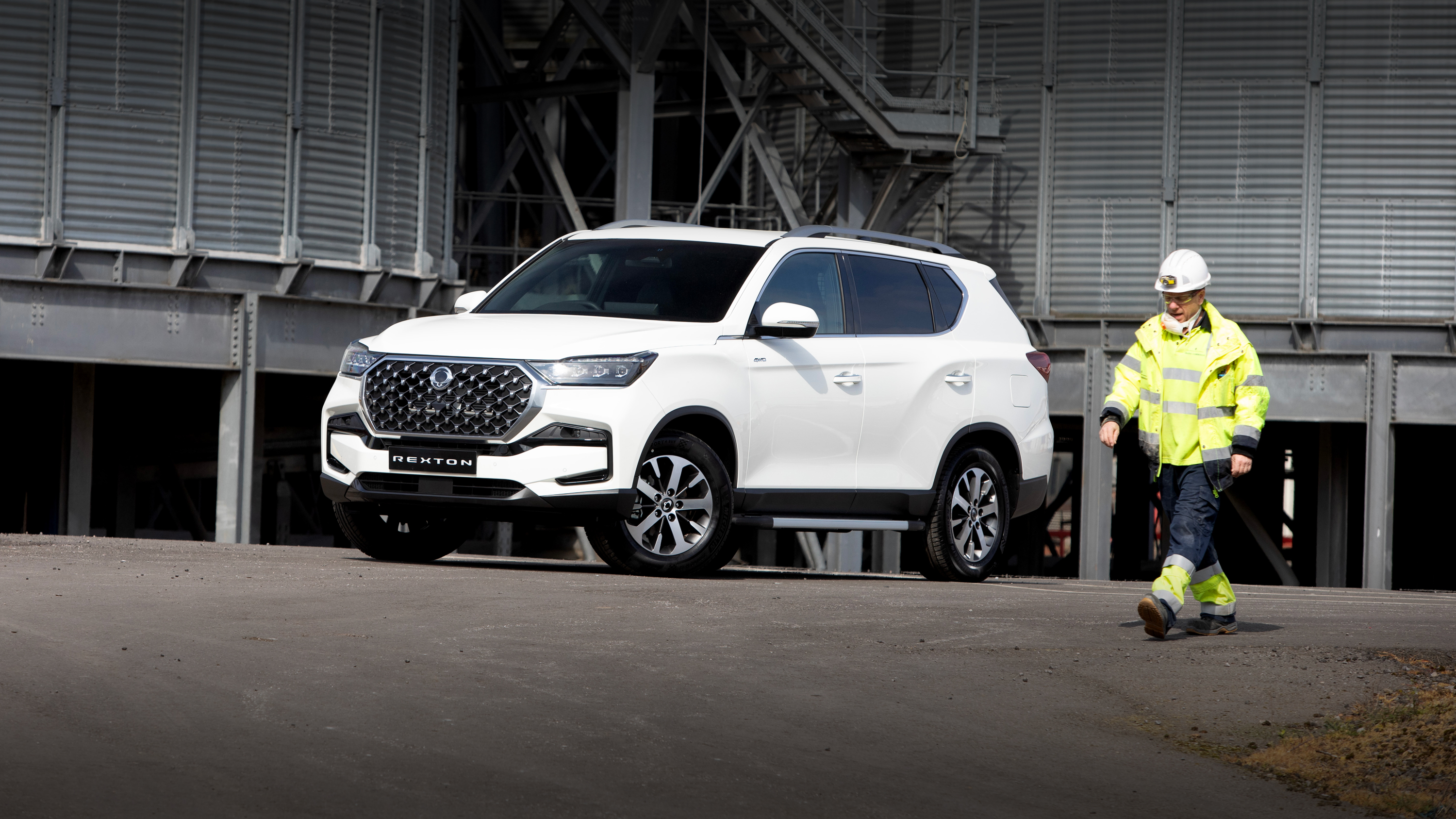
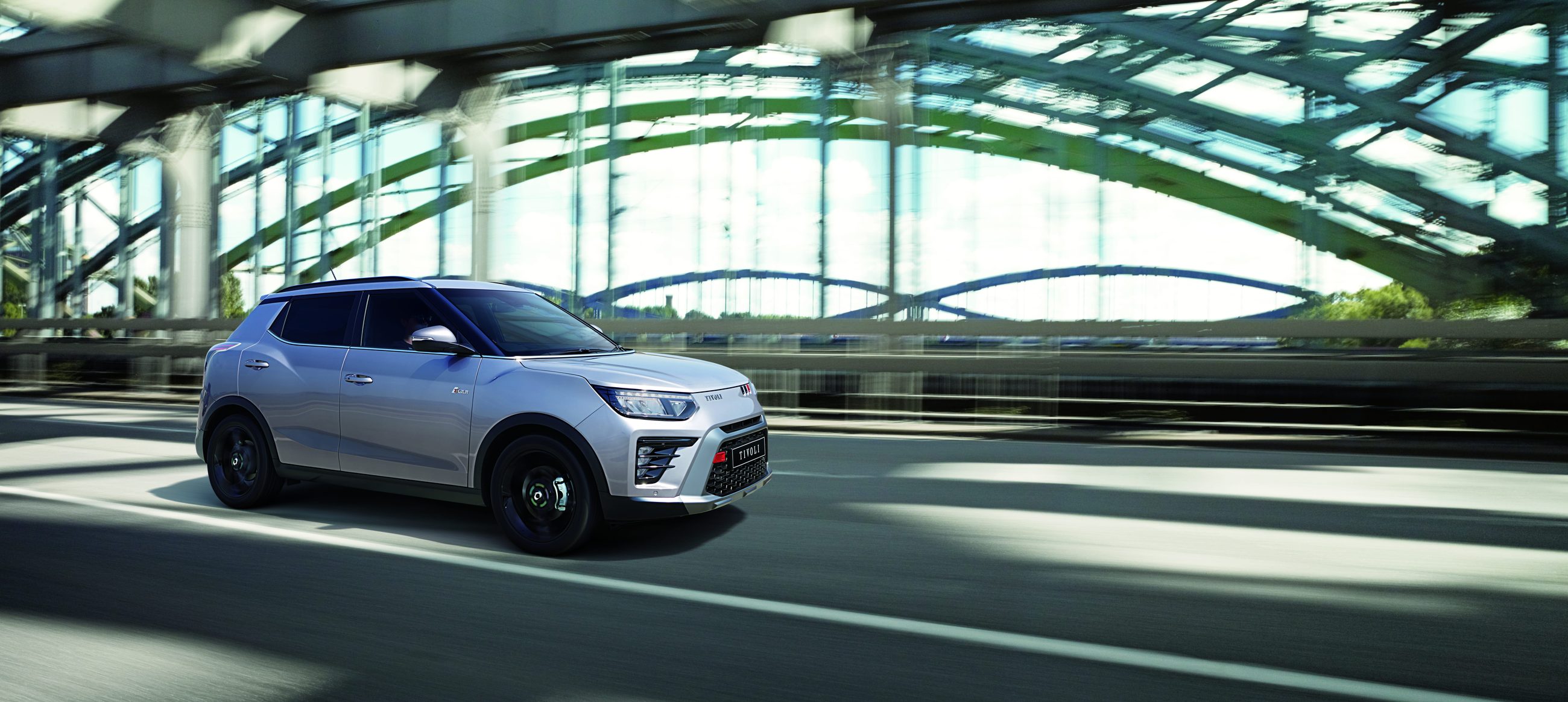


Image /
Frequently Asked Questions (FAQs)
Ready to stop worrying about Clean Air Zone charges for good?
Whether it's a Euro 6 diesel doing the school run or a full EV covering business miles, the right KGM model depends on how you actually drive, not just which zone you're in. Book a test drive and find the one that fits.