
London’s Ultra Low Emission Zone: The Complete 2026 Guide
London's Ultra Low Emission Zone (ULEZ) charges non-compliant cars, vans, motorcycles and minibuses a daily fee to drive anywhere in Greater London. It was introduced by the Mayor of London, Sadiq Khan, to cut air pollution and improve air quality, specifically nitrogen dioxide, nitrogen oxide and particulate matter, in one of the most congested cities in Europe. It's been running since 2019 and hasn't shrunk since; the 2023 ULEZ expansion only made it bigger. If you drive into the zone regularly in a vehicle that doesn't meet the required emission standards, the charge adds up fast. This guide covers where the zone runs, what you'll pay, who's exempt, and how KGM's current electric and hybrid range fits into all of it.
Where does London's ULEZ cover?
The zone covers the whole of Greater London: all 32 London boroughs, from Enfield in the north to Croydon in the south. The boundary sits just inside the M25. Drive the motorway itself, and you're outside the zone, but come off it into London, and you're in. That's a change from the original 2019 zone, which matched the central London congestion charging zone, and the 2021 expansion, which stopped at the North and South Circular. Since August 2023, there's no smaller, cheaper version to duck into. Outer London boroughs, including the area around Heathrow Airport, are covered just as thoroughly as the centre, unlike the Clean Air Zone schemes some other English cities run, which tend to cover a single town centre rather than an entire region. If your postcode is in London, you're almost certainly already inside it. Transport for London (TfL) publishes an interactive boundary map on the TfL website, worth checking if you live near the M25 or aren't sure which side of a specific road counts.
When does the ULEZ charge apply, and how much is it?
The daily charge is £12.50 for cars, vans up to 3.5 tonnes and motorcycles that don't meet the required ULEZ emission standards. It runs 24 hours a day, seven days a week, with one exception: Christmas Day is free. Driving late at night or on a Sunday doesn't get you out of it. TfL's website has a full breakdown of exactly which vehicles count as ULEZ-compliant, worth checking directly if yours is borderline.
Keep London ULEZ separate in your head from the Congestion Charge, a different scheme covering a smaller central London area and only running on specific days and times. Both can apply on the same trip if your route crosses central London, and since December 2025 electric vehicles lost their exemption from the Congestion Charge, though they're still exempt from the ULEZ charge itself under the current rules.
You pay through TfL's own website or app, not GOV.UK, and the window is different from an English Clean Air Zone: up to 90 days before your trip, on the day itself, or within three days after driving in. Miss that window, and it becomes a Penalty Charge Notice (PCN): £180, reduced to £90 if you pay within 14 days. Cameras read number plates automatically, so it's an automatic charge if you're non-compliant and haven't paid, not a ticket someone has to chase you for.
Charges and compliance at a glance
Correct as of October 2026. Always check TfL's website or vehicle checker before you travel, especially if your vehicle is older or has been modified.
|
Vehicle type |
Compliant standard |
Daily charge if non-compliant |
|
Petrol car or van |
Euro 4 (generally 2006 onward) |
£12.50 |
|
Diesel car or van |
Euro 6 (generally September 2015 onward) |
£12.50 |
|
Motorcycle |
Euro 3 |
£12.50 |
|
Minibus (up to 5 tonnes) |
Euro 4 petrol / Euro 6 diesel |
£12.50 |
|
Fully electric vehicle |
Always compliant |
£0 |
Which vehicles are exempt from the ULEZ charge?
Fully electric vehicles are exempt outright. They don't put anything through an exhaust pipe, so there's nothing to measure against the emission standards in the first place. Vehicles registered in the disabled or disabled passenger vehicle tax class currently have a grace period running to 24th October 2027. Historic vehicles over 40 years old, specialist vehicles such as military or agricultural equipment, and London-licensed taxis (subject to TfL's taxi age limit) are exempt too.
A small number of time-limited grace periods also exist, such as one for some wheelchair-accessible vehicles, so check TfL's discounts and exemptions page for current end dates. TfL's ULEZ scrappage scheme, which offered qualifying Londoners a payment towards scrapping or retrofitting a non-compliant car, closed to new applications in September 2024, so check TfL's website for any current replacement support rather than assuming that scheme still runs.
None of this replaces checking your own vehicle. Compliance depends on the exact registration date and specification, not just age, so run your registration through the Driver and Vehicle Licensing Agency (DVLA) record or TfL's vehicle checker before you assume either way.
KGM's range: built for zones like this
The Musso EV and Torres EVX are ULEZ compliant, since nothing goes through an exhaust pipe to measure, regardless of registration date or Euro standard. The Torres Hybrid and Actyon Hybrid, the diesel Rexton, and the petrol Tivoli all clear the required ULEZ emission standards as current-range vehicles, though it's worth checking your specific registration via TfL's vehicle checker to confirm. The van-plated Rexton Commercial and pickup-focused Musso and Musso Rhino share the same Euro 6 diesel engines as their standard siblings, and ULEZ charges by Euro standard regardless of vehicle category, so they clear the bar too.


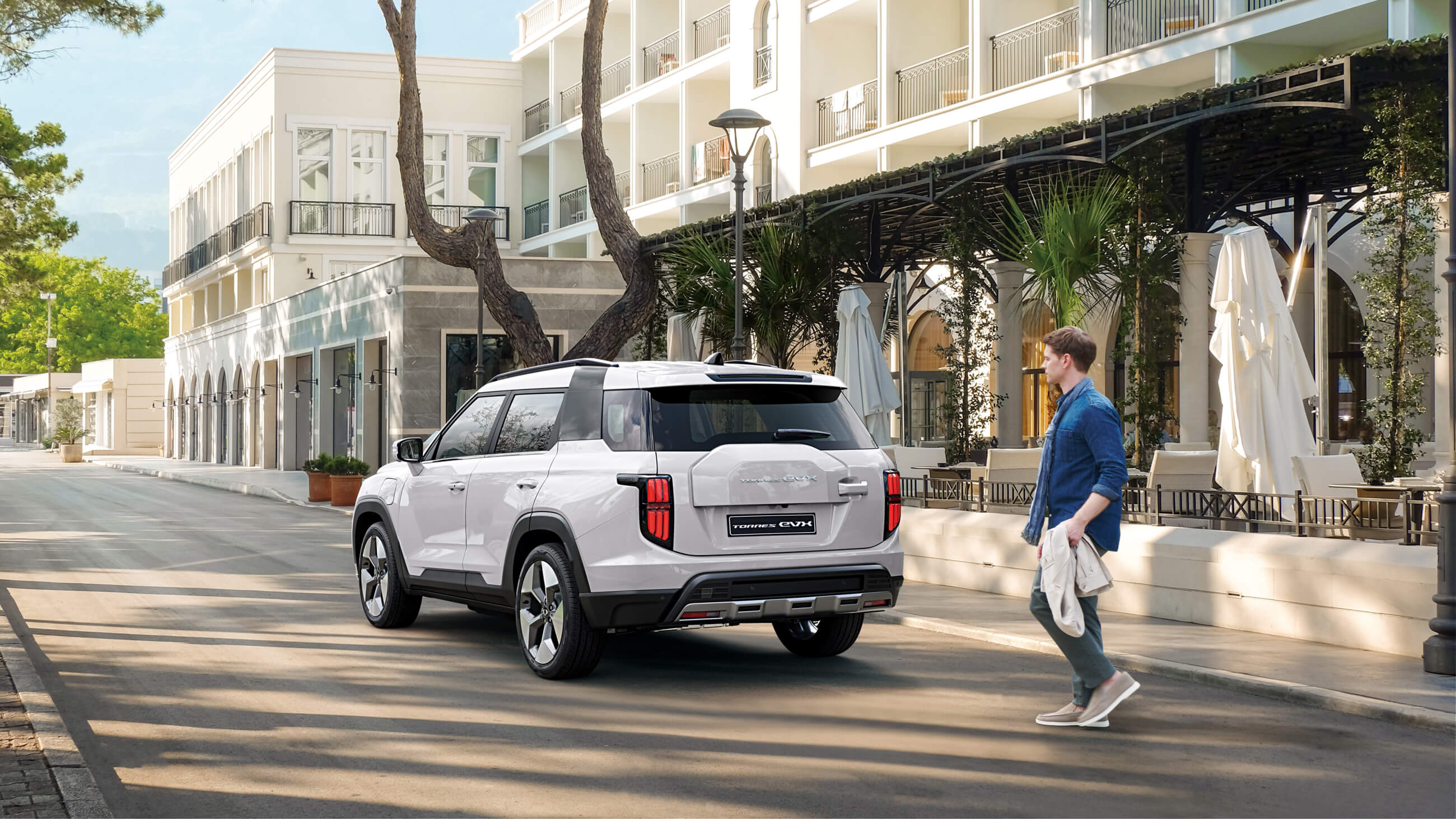

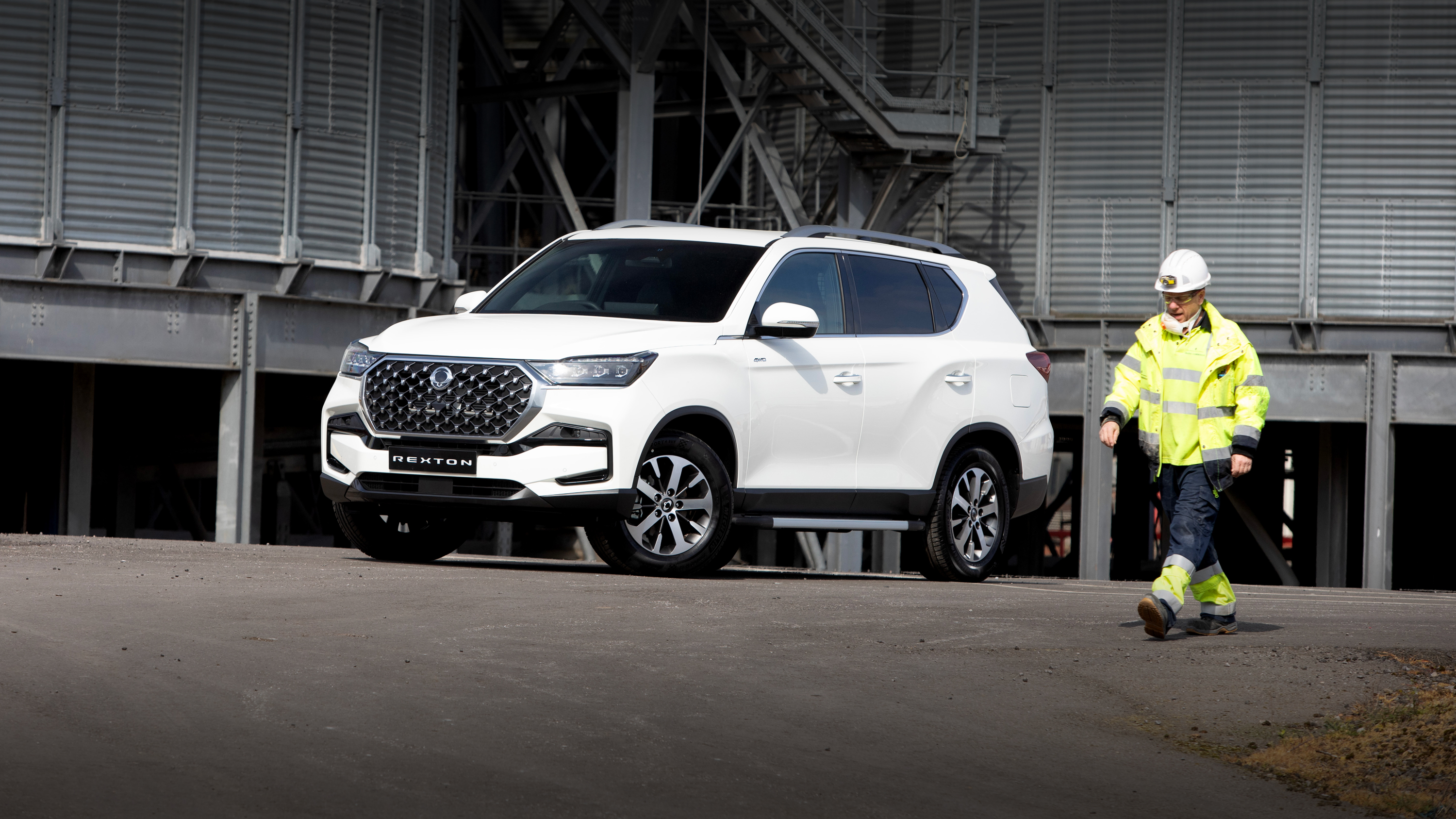
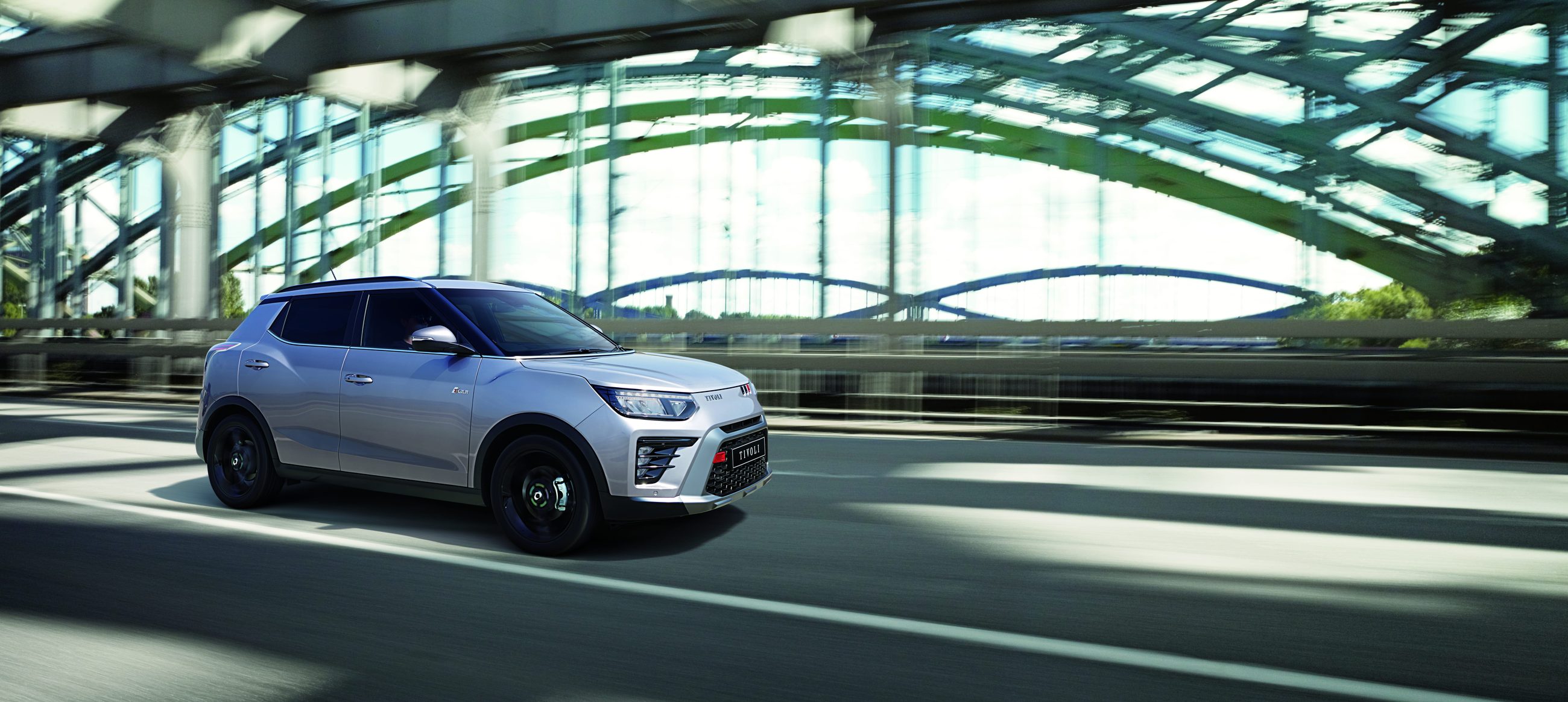


Image /
Frequently Asked Questions (FAQs)
Ready to stop worrying about Ultra Low Emission Zone charges for good?
Book a test drive now: whether it's the fully-electric Musso EV or Torres EVX, the hybrid Actyon or Torres, the diesel Rexton and petrol Tivoli, or the Rexton Commercial, Musso and Musso Rhino, every model in KGM's current range meets today's ULEZ standards, so you won't pay the daily charge under the current rules, and could cut your running costs while you weigh up your options.